Transport Safety Expert — J. J. Keller & Associates, Inc.
“Where’s the Trailer?” How Asset Visibility Saves Time, Cuts Costs & Reduces Risk
Learn how asset tracking and equipment visibility help organizations reduce downtime, improve asset utilization, prevent theft, and keep maintenance and compliance efforts on track.
Published On: 08/07/2026

Written by:
Corrina Peterson
Most managers know the feeling: the job is ready to go, the crew is standing by, and someone asks a simple question that suddenly becomes a major problem:
"Where's the trailer?"
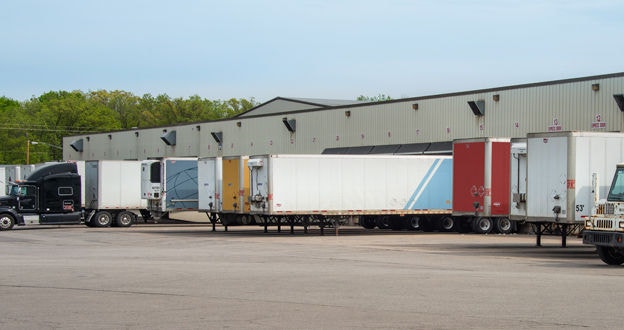
What should be a two-second answer turns into phone calls, text messages, and educated guesses. Someone thinks it’s at the south yard. Another employee believes it was moved to a jobsite last week. Nobody knows for sure.
Whether you’re responsible for trailers, generators, dumpsters, service vehicles, or construction equipment, keeping track of assets can feel like a full-time job. When they go missing, sit idle, or show up in the wrong place, the consequences reach far beyond momentary frustration. This is why many organizations invest in asset tracking and equipment tracking solutions to maintain real-time visibility across their operations.
The Hidden Cost of Not Knowing
Most organizations don’t struggle because they lack equipment. They struggle because they can’t see where it is, whether it’s available, or when it needs attention.
That visibility gap drains productivity. Crews wait for the right equipment, drivers make unnecessary trips between locations, and dispatchers spend time tracking down assets instead of handling higher-value work.
A few minutes here and there may not seem significant, but the delays add up quickly across employees, jobsites, and assets. Without an effective asset tracking system, organizations often lose valuable time and reduce overall asset utilization.
When “Missing” Doesn’t Mean Lost
One of the biggest challenges managers face is that equipment can be difficult to locate even when it hasn't actually gone missing.
A generator may still be sitting at a completed project. A trailer may have been moved to another yard without notifying anyone. A dumpster may be available, but nobody knows where it is.
The result? Companies often rent or purchase additional equipment because existing assets aren't visible.
Before long, organizations have more equipment than they truly need, simply because they can't efficiently manage what they already own. Improved asset management and equipment location tracking help organizations maximize existing resources before investing in additional assets.
Theft and Unauthorized Use Add Risk
Limited visibility affects more than utilization. Trailers, generators, and construction equipment are valuable theft targets, while unauthorized movement or use can create confusion and liability.
Without reliable location information, managers may not realize there's a problem until equipment fails to show up when it's needed most.
By that point, projects may be delayed, customers may be impacted, and replacement costs can become significant. GPS asset tracking and trailer tracking technologies can help organizations improve theft prevention and quickly identify unauthorized asset movement.
Maintenance and Compliance Can’t Wait
The same visibility gap can also affect maintenance and compliance. Service schedules, inspections, and regulatory requirements don’t stop because an asset is difficult to locate.
When organizations lose visibility into where equipment is operating, preventive maintenance often slips through the cracks. Inspections may be missed. Service intervals can be exceeded.
What starts as a tracking problem can quickly become a compliance issue, leading to breakdowns, increased repair costs, and operational disruptions. Asset monitoring systems help organizations maintain maintenance schedules, inspection readiness, and regulatory compliance.
Why Manual Tracking Breaks Down
Many organizations rely on spreadsheets, whiteboards, emails, and employee memory to track assets. Those methods may work for a small operation, but they become harder to maintain as the number of assets, yards, branches, and jobsites grows.
Information quickly becomes outdated, updates depend on someone remembering to enter them, and different teams may work from different versions of the truth. The result is more searching, more idle equipment, and more guesswork. As operations grow, asset tracking software provides a more scalable approach to equipment management and asset visibility.
What Better Asset Visibility Enables
Reliable, current location information gives managers a clearer view across yards, branches, and jobsites. They can:
- Find equipment faster,
- Match the right asset to the right job,
- Reduce unnecessary rentals and purchases, and
- Identify assets that are sitting idle.
That visibility also supports faster action when equipment moves unexpectedly and helps teams keep maintenance and inspection schedules on track.
At the end of the day, asset-location challenges affect three business priorities: time, money, and risk. When you know where equipment is and how it’s being used, you can spend less time searching, make better use of what your company already owns, and keep work moving. With modern asset tracking software, GPS asset tracking, and equipment management tools, organizations can improve operational efficiency while reducing costs and risk.
Try J. J. Keller's Quick Comply Program
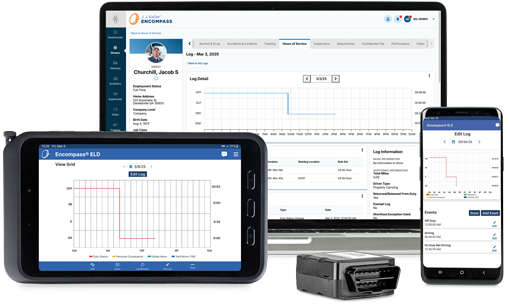
Are you looking to change your ELD provider? We make it easy with our Quick Comply program. Plus, get a 60-day trial of the Encompass Fleet Management Platform.
You may also enjoy the following articles:
Sign up for our newsletter!
We'll help you stay on top of regulations, best practices, and fleet industry news. Sign up to receive a monthly email notification with links to our most recent blog articles, free resources, and event invites.